
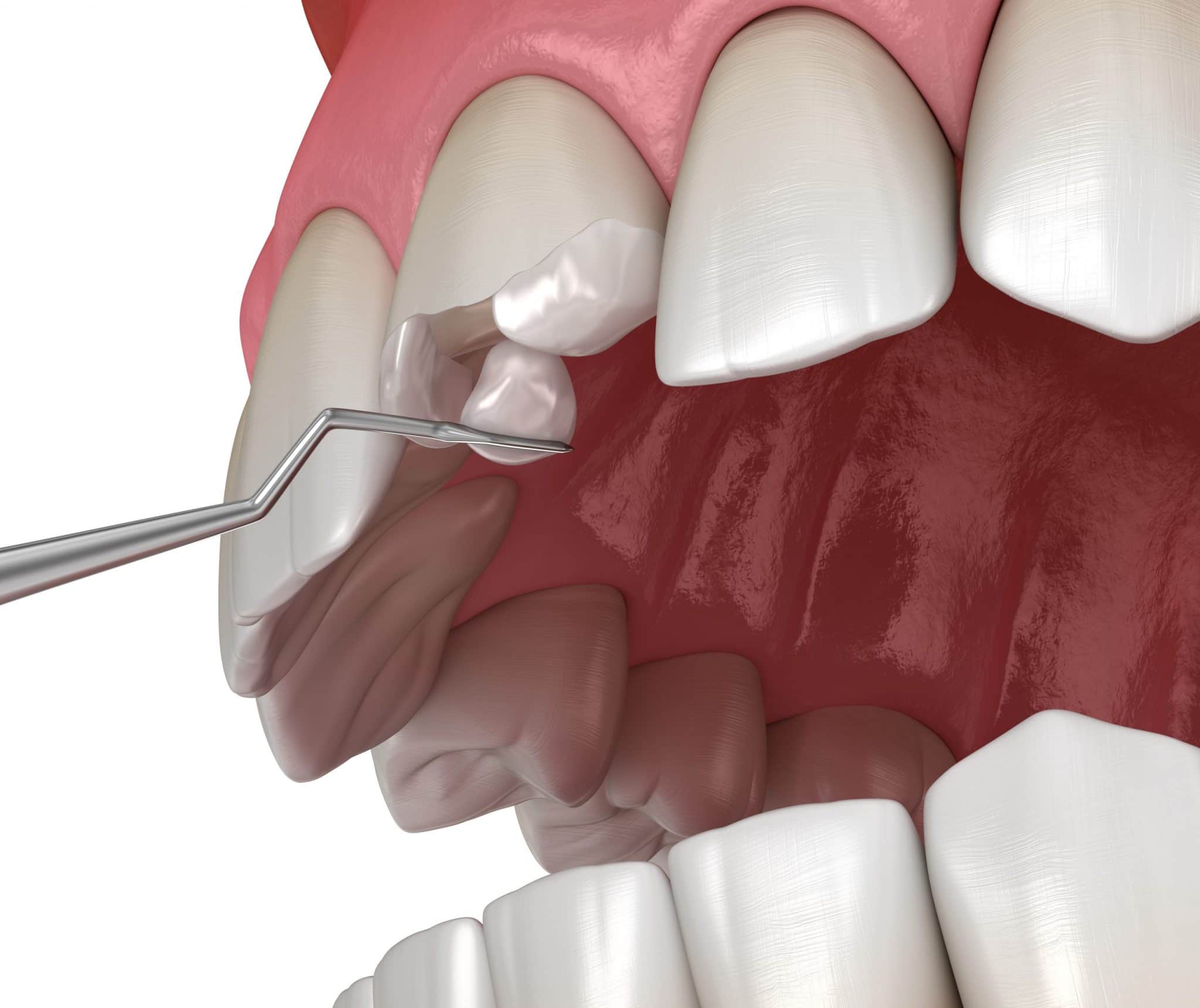
If you have ever seen someone smile more freely after receiving a dental prosthetic, you may have noticed how their posture shifts, their speech becomes clearer and their overall confidence rises in a way that feels almost immediate. This transformation often surprises patients because they expect functional improvement but rarely anticipate the emotional uplift that follows. According to our editor’s research, prosthetics such as dentures, bridges and implants influence both physical performance and self-esteem more deeply than people realize. These devices restore essential abilities like chewing and speaking while also helping patients reconnect with daily comfort. When form and function return together, confidence naturally grows. Understanding this dual impact helps patients feel more prepared before beginning treatment.
Why do prosthetics matter for oral function?
Prosthetics matter because missing or damaged teeth disrupt chewing, speech and bite alignment. Even a single missing tooth can change the way the jaw distributes pressure. As a result of our editor’s reviews, untreated gaps often cause surrounding teeth to shift, leading to discomfort and long-term instability. Prosthetics prevent these changes by filling the space with stable replacements that support natural function. They also help maintain jawbone stimulation, which is essential for long-term oral health. Patients discover that prosthetics restore normal eating habits and reduce strain on remaining teeth. These improvements bring comfort back into daily routines. Proper function protects overall health.
How do dentists determine which prosthetic is right?
Dentists determine the best prosthetic by examining oral structure, gum health, bone strength and daily habits that influence long-term stability. Each patient requires a tailored plan based on unique anatomy and lifestyle. According to our editor’s research, clinicians evaluate bite patterns, speech needs and personal comfort preferences before selecting a design. Some patients need removable devices for easier care, while others benefit from fixed options that feel more natural. Understanding the patient’s goals also shapes the decision. Dentists gather this information through detailed assessments that prioritize safety and effectiveness. The right choice enhances comfort and durability. Personalized decisions support predictable results.
What roles do dentures play today?
Dentures remain important because they offer accessible solutions for patients with multiple missing teeth or full tooth loss. Modern dentures are more natural-looking and comfortable than older models. As a result of our editor’s reviews, improved materials help dentures fit more securely while reducing irritation. Flexible bases and precise molds support better adaptation to gum contours. Dentures help patients regain chewing ability and speech clarity even without implants. Many people appreciate how quickly dentures restore appearance and daily function. They remain a reliable option for a wide range of needs. Dentures blend practicality with comfort.
How do dental bridges support function?
Dental bridges support function by anchoring replacement teeth to nearby healthy teeth, creating a stable connection that restores chewing and alignment. Bridges fill gaps efficiently and prevent shifting that may affect bite balance. According to our editor’s research, bridges work best when surrounding teeth are strong enough to provide long-lasting support. They offer a natural appearance and require less invasive procedures than implants. Bridges help distribute pressure more evenly during eating and speaking. Many patients find them comfortable and secure. Bridges strengthen the entire dental arch. Their stability improves daily performance.
Why are dental implants considered a strong option?
Dental implants are considered strong options because they integrate directly with jawbone tissue, creating stable foundations for long-lasting prosthetics. This integration mimics natural tooth roots and provides exceptional durability. As a result of our editor’s reviews, implants help preserve bone density by stimulating the jaw during chewing. They also offer high comfort and require minimal lifestyle adjustments once healed. Implants allow patients to enjoy a natural feel without movement or slipping. Their stability improves confidence during meals and conversations. Implants provide long-term reliability. Many patients value their realistic performance.
How does bone structure influence prosthetic choice?
Bone structure influences prosthetic choice because sufficient bone density is necessary to support implants or prevent pressure-related discomfort with other devices. Dentists examine bone volume through imaging to determine eligibility. According to our editor’s research, patients with low bone density may need grafting or alternative solutions tailored to their needs. Bone health affects stability, fit and long-term comfort. Understanding bone strength helps clinicians avoid complications and select the safest approach. Patients benefit from honest discussions about structural requirements. Bone evaluation ensures predictable results.
What emotional changes occur after prosthetic treatment?
Emotional changes occur because restored function often brings relief, confidence and renewed social comfort. Many patients recall avoiding smiling or speaking openly before treatment. As a result of our editor’s reviews, gaining stable and natural-looking replacements helps people feel more like themselves again. Eating in public becomes easier, and social interactions feel less stressful. Emotional wellbeing improves as daily limitations fade. Prosthetics often inspire new confidence in both personal and professional settings. These changes reflect the deep connection between oral health and self-image. Emotional comfort becomes part of treatment success.
How do prosthetics improve speech clarity?
Prosthetics improve speech clarity by supporting tongue movement, directing airflow and restoring structural balance. Missing teeth often create subtle gaps that alter sound production. According to our editor’s research, well-designed prosthetics help correct these changes by providing stable surfaces for articulation. Over time, patients adapt naturally to new contours and regain confidence while speaking. Dentists guide patients through this adjustment with tailored advice. Corrected structure improves pronunciation and reduces uncertainty. Speech becomes more fluid with consistent support. Communication improves alongside function.
What maintenance helps extend prosthetic longevity?
Maintenance helps extend longevity by preventing wear, controlling bacteria and protecting surrounding structures. Regular cleaning, scheduled dental visits and gentle handling support stability. As a result of our editor’s reviews, patients benefit from routines that include proper brushing, periodic adjustments and avoiding excessive pressure. Even high-quality prosthetics require monitoring to ensure optimal performance. Dentists provide guidance tailored to each device type. Maintenance extends comfort and reliability. Consistent care protects both prosthetics and natural tissues.
Why is adaptation time important for new prosthetics?
Adaptation time is important because the mouth needs time to adjust to new shapes, pressures and sensations. Some patients adapt quickly, while others need several weeks. According to our editor’s research, gradual improvements in comfort occur as muscles and tissues learn new patterns. Dentists encourage patients to practice speaking or chewing slowly at first. Patience helps prevent frustration during this transition. Adaptation strengthens long-term comfort and confidence. Supportive follow-up visits guide the process. Adjustment becomes smoother with reassurance.
How do dentists support patients during follow-up visits?
Dentists support patients by evaluating fit, adjusting pressure points and addressing any discomfort that develops over time. Follow-up visits allow clinicians to fine-tune alignment and ensure balanced function. As a result of our editor’s reviews, minor refinements greatly improve comfort and stability. Regular monitoring also helps detect early issues before they lead to complications. These visits create a partnership between patient and clinician. Continuous support strengthens long-term outcomes and confidence. Follow-up care maintains the success of the prosthetic.