
Have you ever sat through a traditional impression and wondered why the process still feels old fashioned? Many dentists today are shifting toward digital methods because they reduce discomfort significantly. According to our editor’s research, digital scanning offers faster results and improved precision. This makes the prosthetic workflow smoother for both patient and clinician. People often assume that scanning is only about taking pictures, yet the technology plays a deeper role in shaping long lasting prosthetic outcomes. That is why the transition toward digital methods feels more like an evolution than a trend in modern dentistry.
Why does digital scanning matter in prosthetic care?
Digital scanning matters because accuracy shapes final results. Scanners record surfaces precisely. This helps clinicians design better restorations. As a result of our editor’s reviews, small errors often create long delays. Digital tools reduce those errors. They help align prosthetic margins more accurately. They improve patient comfort. They shorten appointment time. These benefits create a more efficient process. Understanding this shift helps highlight its growing importance.
How does digital scanning replace traditional impressions?
Traditional impressions use trays and materials. They cause discomfort for many. According to our editor’s research, digital scanners remove that challenge. They capture images quickly. They avoid messy materials. They reduce gag reflex issues. They create consistent records. Digital systems allow immediate review. Errors are corrected instantly. This improves the overall experience. Understanding replacement methods helps patients feel more comfortable.
What advantages do scanners offer dentists?
Dentists gain efficiency. They capture detailed images. They evaluate margins instantly. As a result of our editor’s reviews, scanning reduces chair time. It supports better communication. It allows easier digital storage. Restorations become more predictable. Adjustments decrease significantly. Fabrication becomes faster. Digital files integrate with other tools. Understanding these benefits shows why adoption is rising.
Why do digital impressions improve accuracy?
Accuracy depends on detail. Traditional materials distort occasionally. Temperature affects them. Movement affects them. According to our editor’s research, scanners avoid those problems. They capture details instantly. They read complex surfaces clearly. They produce consistent data. They reduce replication errors. They support precise digital workflows. Improved accuracy improves fit. Understanding accuracy helps explain improved outcomes.
How does scanning enhance patient comfort?
Comfort changes perception. Patients dislike trays. Some feel claustrophobic. Some feel nauseous. As a result of our editor’s reviews, digital scanning eliminates these issues. The wand is small. The process feels gentle. Scanning feels faster. Patients breathe comfortably. They stay relaxed. Comfort improves cooperation. Understanding comfort benefits improves patient trust.
What role does scanning play in crown design?
Crowns rely on precision. Margins must match perfectly. According to our editor’s research, digital scans show margins clearly. They help avoid misfit. They help shape occlusion accurately. They transfer data smoothly. They allow technicians to see details instantly. They improve ceramic design. They reduce repeated adjustments. Understanding crown design helps explain digital value.
How do scanners support implant prosthetics?
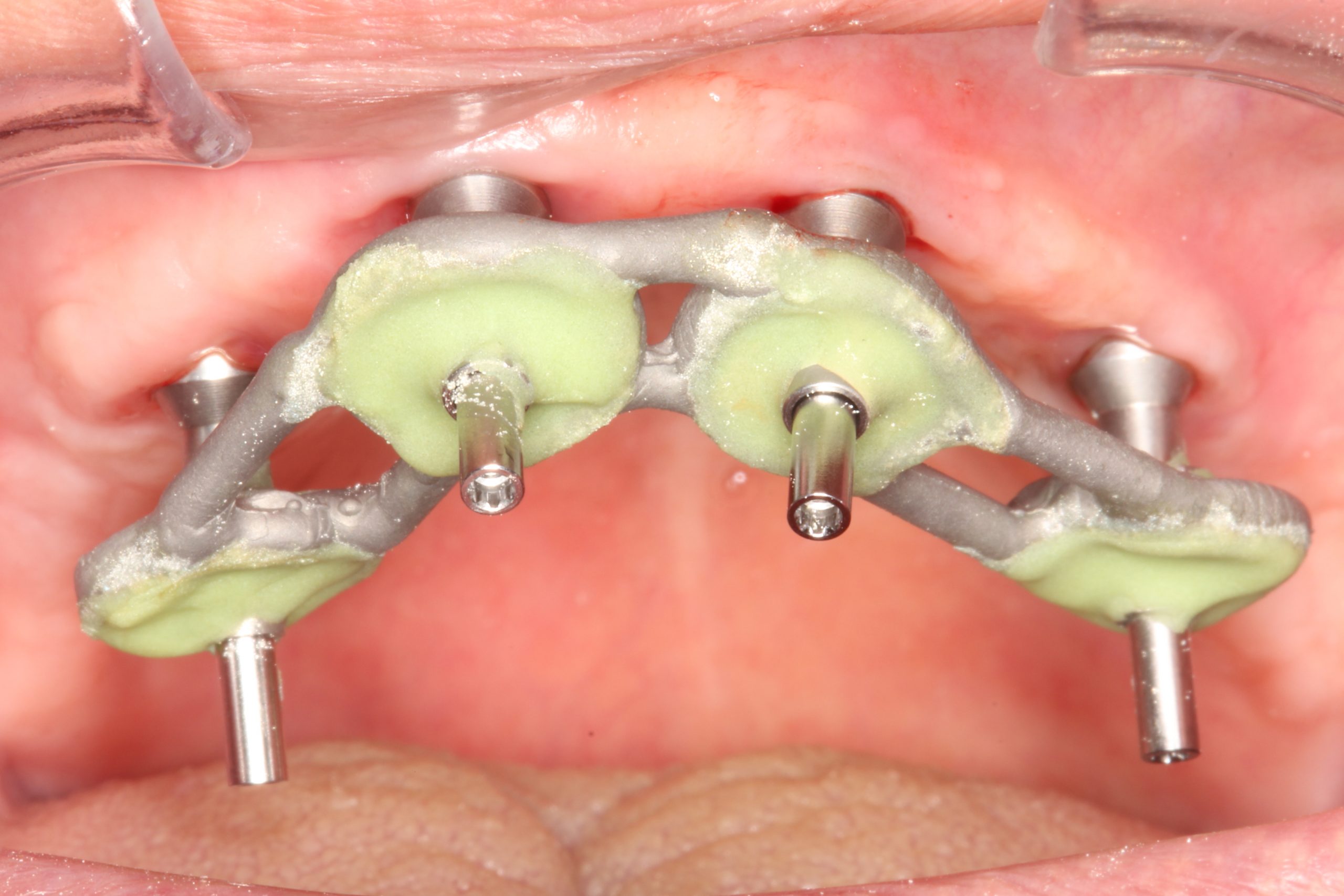
Implants require accuracy. Angles matter significantly. Tissue health matters too. As a result of our editor’s reviews, scanning simplifies the process. Scanners capture tissue contours. They record implant positions. They support abutment design. They help technicians align components accurately. They reduce metal framework errors. They support immediate loading protocols. Understanding implant workflows shows digital efficiency.
Why does scanning help with full arch restorations?
Full arch cases are complex. Multiple teeth interact. Jaw alignment matters. According to our editor’s research, digital scanning shows arch shape clearly. It records bite patterns. It helps design bridges. It improves aesthetic planning. Full arch designs need stability. Digital tools provide that stability. They allow repeated analysis. They improve collaboration. Understanding full arch benefits supports long term care.
How do digital scans help in denture fabrication?
Denture design requires precision. Soft tissue changes matter. As a result of our editor’s reviews, digital scanning provides detailed mapping. It records ridge contours clearly. It helps define border extensions. It reduces adjustment appointments. Dentures fit more comfortably. They feel more natural. Scanning also improves repeatability. Understanding denture workflow helps explain digital adoption.
Why is digital scanning beneficial for bite analysis?
Bite analysis influences function. Small errors affect comfort. According to our editor’s research, scanning records occlusion accurately. It captures contact points clearly. It identifies interference points. It shows jaw relationships. Digital tools allow simulation. They help predict outcomes. They guide prosthetic adjustments. Understanding bite analysis supports functional success.
How do scanners integrate with CAD/CAM systems?
Integration drives efficiency. Scanning provides initial data. CAD software shapes it. As a result of our editor’s reviews, CAM tools fabricate restorations accurately. Digital workflows stay consistent. They reduce manual errors. Fabrication becomes smoother. The chain remains controlled. Integration supports speed. It supports precision. Understanding integration highlights system value.
Why do digital scans support better communication with laboratories?
Laboratories need clarity. Impressions sometimes distort. Details may get lost. According to our editor’s research, digital files improve communication. They include high resolution images. They show margins clearly. Technicians view models instantly. They produce better restorations. They ask fewer questions. Collaboration improves outcomes. Understanding communication highlights workflow improvement.
How does scanning help monitor treatment progress?
Treatment progress changes over time. Tissues heal. Teeth move. As a result of our editor’s reviews, digital records track changes. They allow comparison. They help evaluate healing. They support long term analysis. They reveal subtle changes. They help dentists adjust plans. Monitoring becomes easier. Understanding progress tracking encourages consistent visits.
What limitations still exist in digital scanning?
No technology is perfect. Some scanners struggle with reflective surfaces. Moisture affects results slightly. According to our editor’s research, deep subgingival margins remain challenging. Learning curve exists. Equipment requires investment. Workflow changes take time. Some cases still require hybrid methods. Limitations continue improving. Understanding limitations creates realistic expectations.
Why is training essential for accurate scanning?
Training affects results. Technique matters greatly. Wand movement influences data. As a result of our editor’s reviews, angle errors create gaps. Incomplete scans affect models. Dentists refine technique with practice. Training improves speed. It improves accuracy. It reduces rescans. It enhances patient confidence. Understanding training highlights clinician skill.
How does digital scanning support patient education?
Patients understand visuals. Digital images simplify explanations. According to our editor’s research, scans show real anatomy. They show problems clearly. They help patients accept treatment. They improve communication. They reveal progress instantly. Visual education builds trust. Understanding education strengthens cooperation.
Why does digital scanning reduce remake rates?
Remakes cost time. They cause frustration. As a result of our editor’s reviews, scanning reduces errors. Accurate margins improve fit. Bite registration becomes stable. Technicians rely on precise data. Remake frequency decreases notably. Patients appreciate efficiency. Dentists work more confidently. Understanding remake reduction highlights value.
What future developments may improve scanning?
Technology evolves quickly. Faster processors improve speed. AI enhances accuracy. According to our editor’s research, future tools may automate margin detection. They may correct errors instantly. They may integrate with robotic fabrication. Improvements will continue. Workflows will simplify. Patient care will benefit. Understanding future trends encourages adaptation.
Why are clinics shifting to fully digital workflows?
Digital workflows improve consistency. They support efficiency. As a result of our editor’s reviews, clinics reduce manual steps. They improve patient comfort. They shorten chair time. They integrate tools smoothly. Restorations become predictable. Satisfaction increases. Clinics value reliability. Understanding workflow shifts explains digital growth.